
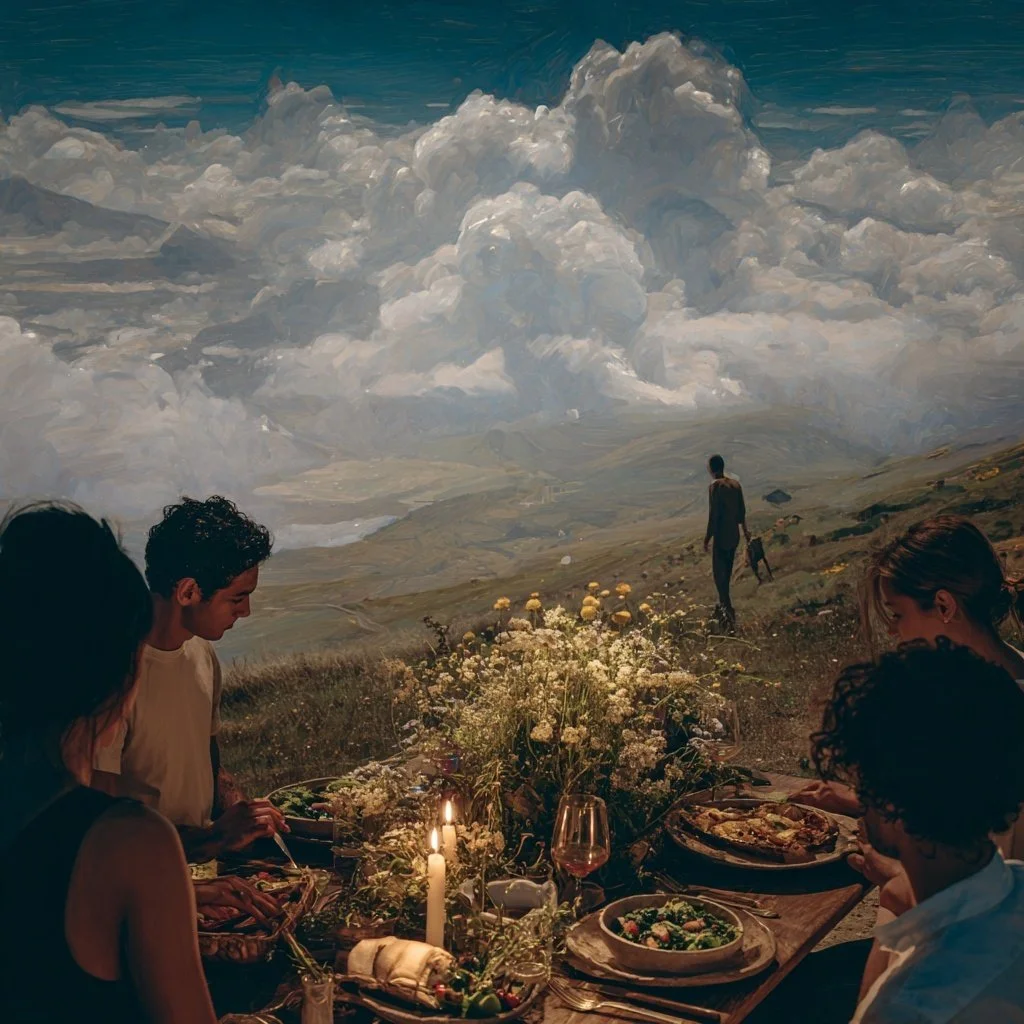
Imagination: The Superpower We Forget About As Adults
What drives creatives? When? How? Why? Who? These are all the big questions. And after all, as any academic, politician, motivational speaker will all tell you, the long-winded questions are never the tough ones, as there is so much runway for a rhetorician to persuade or dissuade. But what about What if? What about that question?
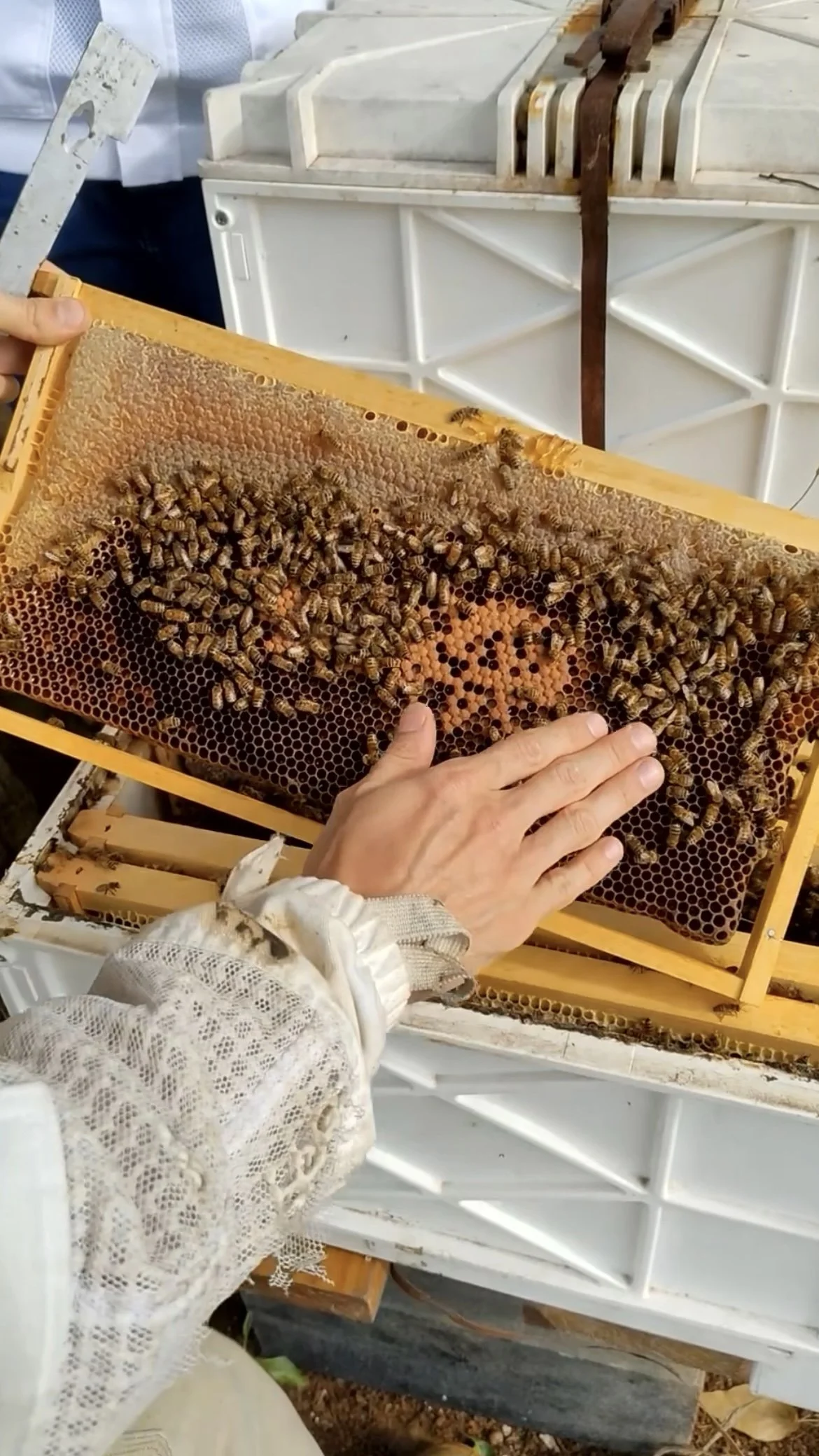
The Bee Colony Pyramid
At the Vanilla Club apiary in beautiful North Queensland we work alongside some of the most fascinating little natural partners on Earth - bees. While we dig them for their pollination artistry, what happens inside a hive is even more remarkable. Bees live in one of nature’s most sophisticated societies, where every little bee has a role that keeps the colony thriving.
Let's take a little look into some of the key roles that constitute the hive:
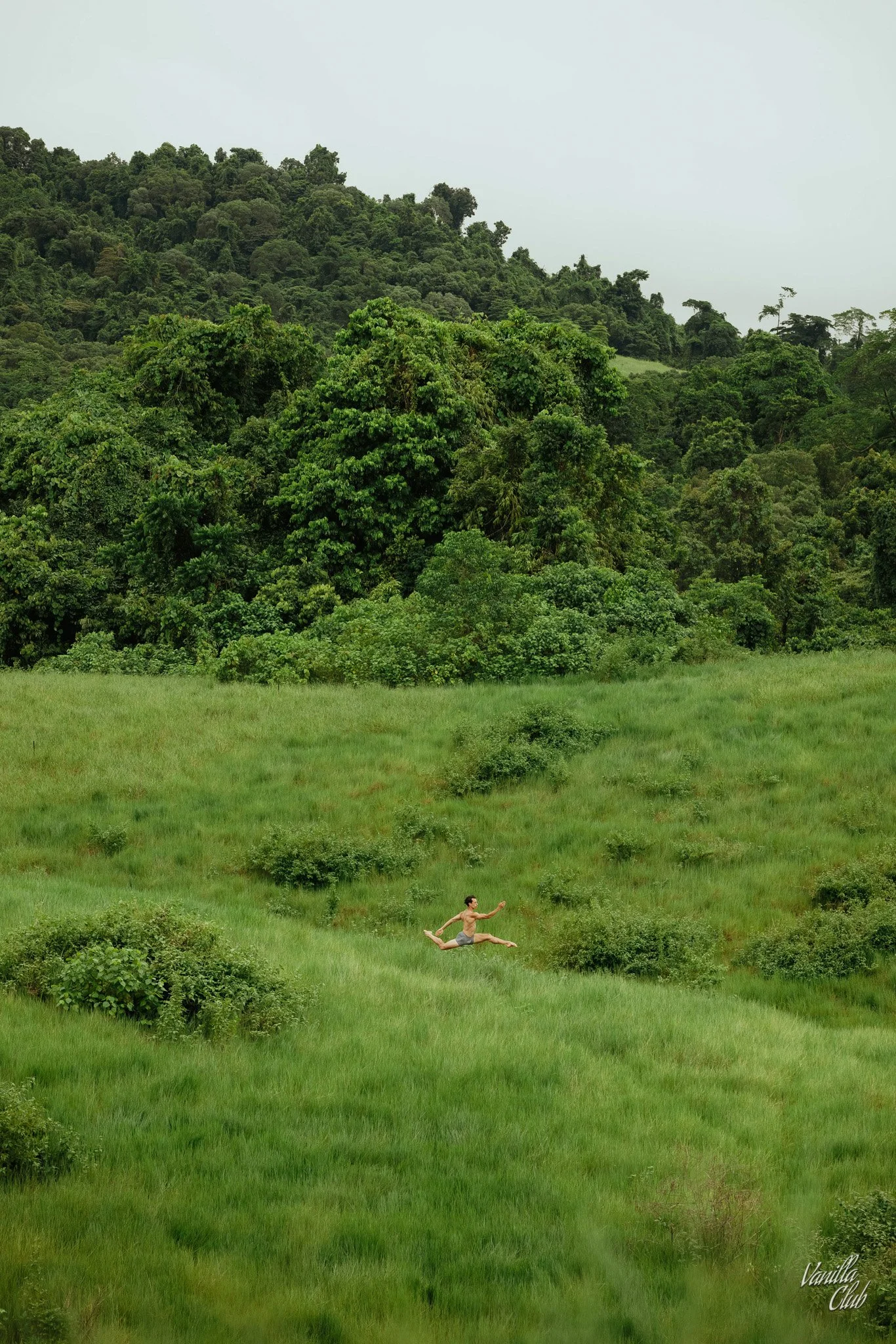
High-Altitude Vanilla: Why Elevation Changes Everything
The Uncharted Heights of Vanilla Cultivation
Vanilla, the world’s second most expensive spice, is often associated with steamy tropical jungles and patient hand pollination. Its production demands precision, timing, and a deep understanding of plant biology. But as demand grows, farmers are experimenting beyond traditional lowlands, and expanding into high-altitude vanilla farming.
Vanilla Club lies at one of the few degrees of longitude that allows for the growth of vanilla orchids. However, the altitude of the mountainous terrain of FNQ is quite different to the steamy, tropical jungles of the Americas. And the delicate dance of pollinating and cultivating vanilla has proven to be just as challenging as it is rewarding.
At elevation, cooler temperatures, lower humidity, and stronger winds transform how the vanilla orchid behaves. These changes delay flowering, shorten pollination windows, and raise the stakes for growers. Each bloom becomes a race against time, testing the limits of both plant and farmer.