
High-Altitude Vanilla: Why Elevation Changes Everything
The Uncharted Heights of Vanilla Cultivation
Vanilla, the world’s second most expensive spice, is often associated with steamy tropical jungles and patient hand pollination. Its production demands precision, timing, and a deep understanding of plant biology. But as demand grows, farmers are experimenting beyond traditional lowlands, and expanding into high-altitude vanilla farming.
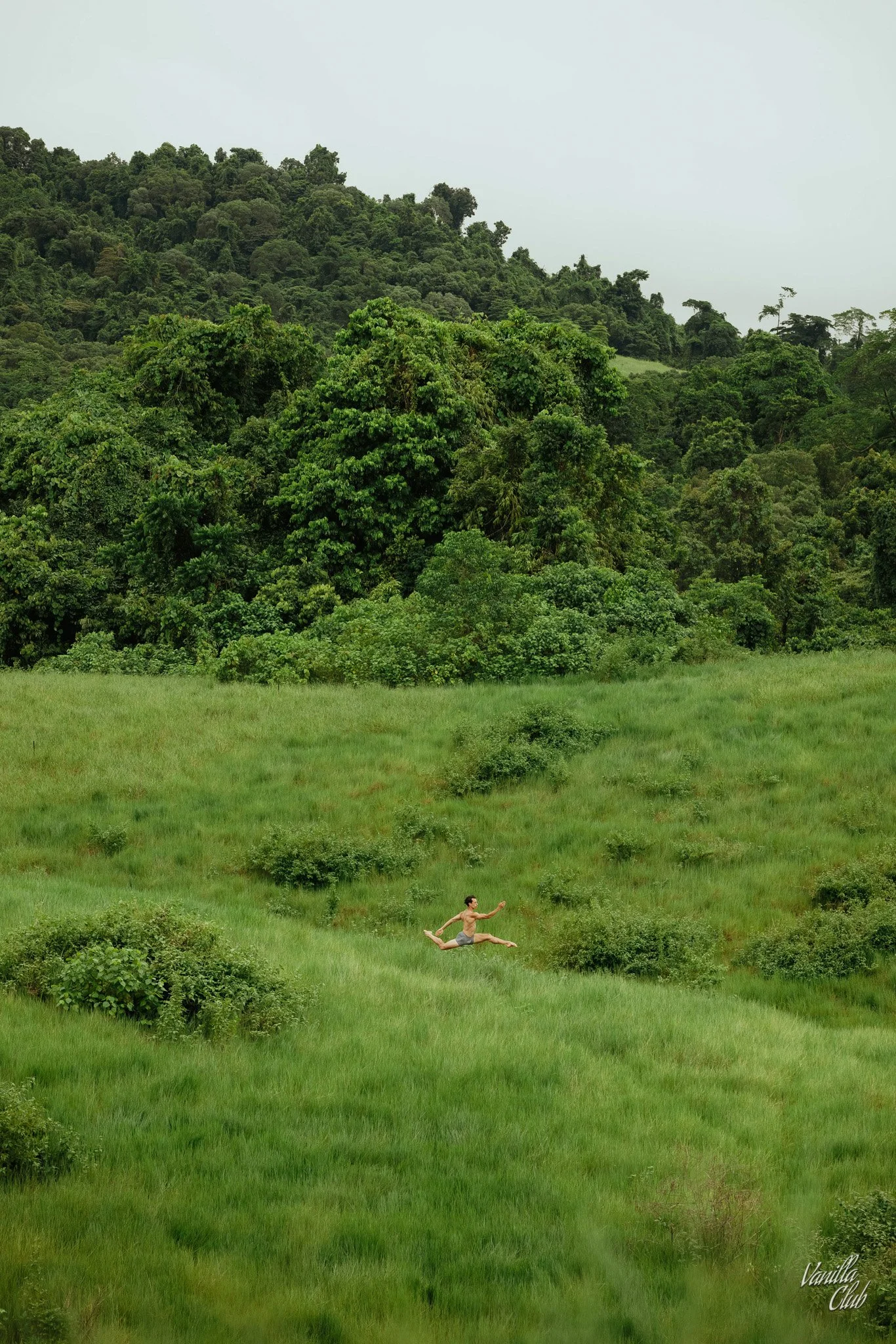
Vanilla Club lies at one of the few degrees of longitude that allows for the growth of vanilla orchids. However, the altitude of the mountainous terrain of FNQ is quite different to the steamy, tropical jungles of the Americas. And the delicate dance of pollinating and cultivating vanilla has proven to be just as challenging as it is rewarding.
At elevation, cooler temperatures, lower humidity, and stronger winds transform how the vanilla orchid behaves. These changes delay flowering, shorten pollination windows, and raise the stakes for growers. Each bloom becomes a race against time, testing the limits of both plant and farmer.
Vanilla’s Global Allure and Traditional Growing Regions
Vanilla comes from the seed pods of Vanilla planifolia, a climbing orchid native to Mexico and Central America. It’s the foundation of the world’s flavour and fragrance industries. Today, most commercial vanilla is grown in tropical lowlands such as Madagascar, Indonesia, and Tahiti - regions offering the hot, humid stability this orchid requires.
Ideal conditions for Vanilla planifolia include average temperatures between 21–32°C and humidity around 80%. Regular rainfall, combined with a brief dry period, encourages flowering. These predictable rhythms make manual pollination possible at scale and underpin the success of the global vanilla market.
The Biology Behind Vanilla’s Pollination Challenge
A Flower Engineered for Complexity
The vanilla flower’s design makes pollination difficult. Its male and female organs are separated by a flap-like barrier called the rostellum, which prevents self-pollination. For fertilisation, this barrier must be manually lifted to transfer pollen from the anther to the stigma - a delicate process that leads to the formation of the vanilla bean.
The Missing Pollinators
In its native habitat, pollination is performed by orchid bees of the genus Eulaema. These bees have evolved alongside the vanilla orchid, with the perfect body size and behaviour to bypass the rostellum naturally. Outside the Americas, however, these pollinators don’t exist.
That limitation once made vanilla impossible to cultivate abroad, until 1841, when Edmond Albius, a 12-year-old enslaved boy on Réunion Island, invented a hand-pollination technique. His discovery revolutionised vanilla production, and nearly two centuries later, the same method remains the backbone of global vanilla cultivation.
Why Tropical Plains Are Vanilla’s Comfort Zone
In tropical lowlands, vanilla enjoys the environment it evolved for. Warm, humid air supports its long vines and delicate blooms, while stable weather allows growers to anticipate flowering cycles.
Predictable Flowering
Each flower opens early in the morning and remains viable for just a few hours before wilting. Because this happens consistently, farmers can efficiently hand-pollinate each blossom during its brief receptive period.
Natural Ecological Balance
In native regions, wild vanilla still relies on its pollinators, helping preserve genetic diversity and resilience. This natural system disappears at altitude, where both climate and pollinator presence differ drastically.
The High-Altitude Hurdle
Expanding vanilla cultivation into mountainous regions introduces a series of environmental stressors that disrupt its reproductive rhythm.
Cooler Temperatures and Wide Swings
At high altitudes, average temperatures are lower, and the gap between daytime and nighttime temperatures widens. These conditions slow the plant’s metabolism, delaying the hormonal cues that trigger flower opening. The result is irregular and unpredictable flowering, which can be a serious obstacle in an industry dependent on precise timing.
Drier Air and Stronger Winds
Low humidity and high winds quickly dry out the delicate petals, shortening the already brief pollination window. Flowers may wilt within hours, and strong gusts can physically damage blooms, reducing viable yield.
Cooler, drier conditions slow flower development, meaning high-altitude vanilla flowers often open later in the morning and close more quickly. This compresses the pollination window from a reliable 8–12 hours in the tropics to as little as two or three hours.
Manual Pollination Challenges
1. Total Dependence on Human Labor
Without native pollinators, every flower must be hand-pollinated. A missed bloom means no vanilla bean.
2. Higher Labor Intensity and Cost
The unpredictable timing requires more workers and longer, irregular hours. Labour costs rise, increasing the overall price of high-altitude vanilla production.
3. Fragile Pollen Viability
Cool, damp mornings can cause pollen to clump, while dry winds reduce its lifespan once exposed. Workers must adapt techniques and tools to handle pollen delicately, and pollinate under these unstable conditions.
4. Adapting Pollination Methods
Some growers (like us Vanilla Club) now use shade structures to protect flowers and maintain humidity. Success in high-altitude vanilla cultivation depends on constant microclimate observation and swift, skilled action.
Economic and Sustainability Implications
Lower Fruit Set and Reduced Yields
Shorter pollination windows and environmental stress lead to fewer successful fertilisations. Even pollinated flowers may abort under unfavourable conditions, reducing yields compared to lowland farms.
Balancing Risk and Reward
For high-altitude vanilla to be sustainable, lower yields must be balanced by other advantages - for example, distinctive flavour profiles. Cooler climates can influence the vanilla bean’s aromatic compounds, potentially producing unique taste notes that command a premium price.
Adapting for the Future
High-altitude growers represent the frontier of sustainable vanilla farming. Their success depends on mastering microclimate management - regulating moisture, wind, and sunlight - to protect this delicate and sensitive orchid. As climate change alters traditional lowland growing regions, these adaptive practices could prove vital for the survival of the global vanilla industry.
Conclusion: Cultivating Vanilla at the Edge of Its Limits
The shift to high-altitude vanilla farming highlights both the resilience of the plant and the ingenuity of the farmers who grow it, despite the its numerous challenges. Sustainable vanilla cultivation at altitude requires deep understanding, careful observation, and innovation at every step.
As our climate challenges us to reshape agricultural frontiers, understanding how altitude affects vanilla’s delicate biology is crucial to ensuring the world’s favourite orchid continues to bloom against the odds.